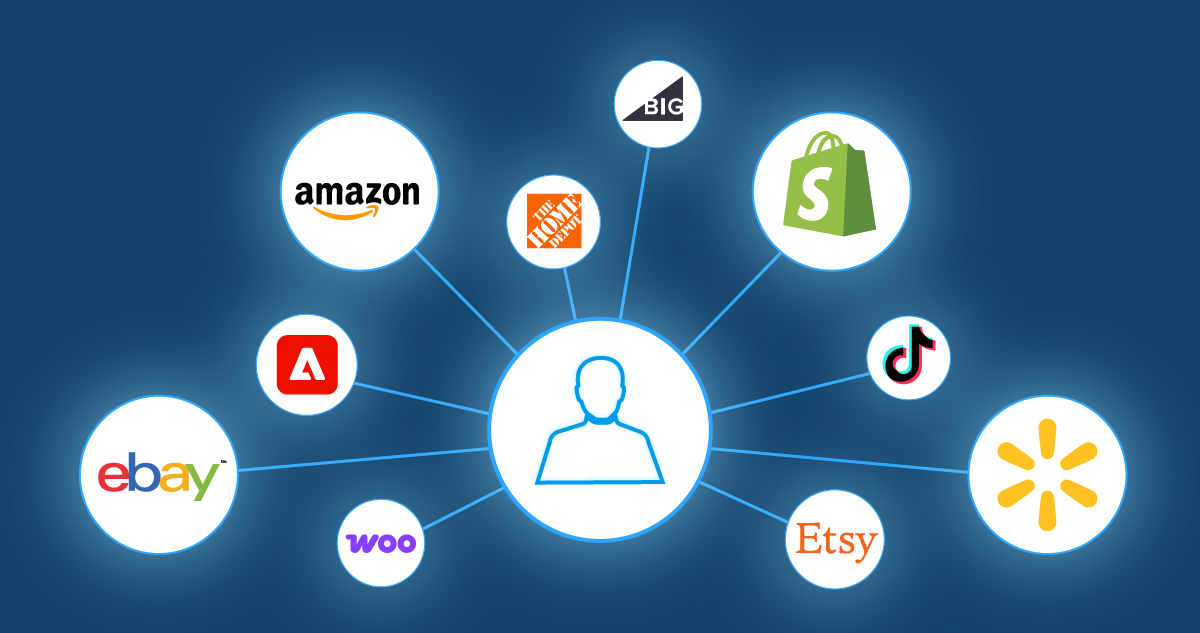
As online businesses expand, selling through a single marketplace is no longer enough. Many brands now operate across Amazon, Shopify, TikTok Shop, and other sales channels to reach more customers. While this strategy increases revenue opportunities, it also makes order fulfillment far more complex. https://www.neonpanel.com/logistics-multichannel-fulfillment explains how multichannel fulfillment helps businesses manage inventory, shipping, and logistics efficiently across multiple platforms.
Without a centralized fulfillment strategy, businesses often struggle with overselling, delayed shipments, inaccurate inventory counts, and disconnected operational data. Modern logistics platforms solve these challenges by creating a unified view of inventory, shipments, and fulfillment activities across every sales channel. NeonPanel provides a single operational ledger that tracks inventory across Amazon FBA, Amazon AWD, Shopify, third-party logistics providers (3PLs), and in-transit shipments, allowing businesses to manage multichannel operations from one system.
What Is Multichannel Fulfillment?
Multichannel fulfillment is the process of storing inventory and fulfilling customer orders from multiple sales channels using a coordinated logistics system. Instead of managing each marketplace independently, businesses use centralized software to synchronize inventory, route orders, and monitor shipments.
This approach ensures that inventory levels remain accurate across all platforms while reducing the risk of stockouts or overselling. It also allows companies to deliver products more efficiently by using the most appropriate fulfillment location for each order. Industry guidance notes that omnichannel fulfillment improves inventory visibility and delivery flexibility by using all available inventory locations.
Why Centralized Inventory Matters
Inventory is the foundation of every fulfillment operation. When stock quantities differ across marketplaces, businesses risk disappointing customers through canceled orders or shipping delays.
A centralized inventory system updates stock levels automatically whenever a sale occurs, regardless of which platform generated the order. This synchronization provides a single source of truth for inventory across warehouses, fulfillment centers, and sales channels.
NeonPanel extends this visibility by tracking inventory at the shipment level rather than relying only on warehouse totals, giving businesses insight into products stored in FBA, AWD, 3PL facilities, and goods in transit.
Faster and More Accurate Order Fulfillment
Customers expect fast delivery regardless of where they place their orders. Meeting these expectations requires efficient order routing and fulfillment processes.
Multichannel fulfillment systems automatically determine the best location to ship each order based on inventory availability, warehouse capacity, and delivery destination. This reduces shipping times while lowering transportation costs.
Automated order routing also minimizes manual intervention, allowing warehouse teams to process orders more quickly and accurately.
Better Supply Chain Visibility
Managing multiple warehouses, suppliers, freight carriers, and fulfillment partners creates significant operational complexity. Without real-time visibility, businesses may struggle to identify delayed shipments or inventory shortages before they affect customers.
Modern fulfillment platforms provide continuous updates on shipment status, inventory movements, and warehouse availability. Decision-makers can monitor the complete supply chain from supplier purchase orders through final customer delivery.
NeonPanel models the supply chain at the shipment level, allowing businesses to monitor supplier production, freight, AWD transfers, and Amazon FBA replenishment using a unified operational timeline.
Reducing Operational Costs
Inefficient fulfillment often leads to unnecessary shipping expenses, excess inventory, and increased storage fees. Manual processes can also create duplicate work across operations and accounting teams.
Automation helps reduce these costs by synchronizing inventory updates, shipment tracking, and operational reporting. Businesses can optimize replenishment schedules, reduce emergency shipments, and improve warehouse utilization.
Accurate fulfillment data also supports better inventory forecasting, allowing businesses to maintain optimal stock levels without tying up excessive working capital.
Supporting Business Growth
As companies expand into additional marketplaces, operational complexity grows rapidly. Managing each platform separately becomes increasingly difficult and often requires additional administrative resources.
A multichannel fulfillment platform provides the scalability needed for long-term growth. Instead of maintaining disconnected workflows for each sales channel, businesses operate from one centralized system that combines inventory, logistics, and operational reporting.
This unified approach allows teams to collaborate more effectively while maintaining consistent customer experiences across every marketplace.
Improving Customer Satisfaction
Reliable fulfillment directly influences customer loyalty. Accurate inventory, faster shipping, and timely delivery updates create a better shopping experience and encourage repeat purchases.
Centralized fulfillment systems reduce shipping errors, minimize order delays, and improve communication throughout the delivery process. Customers receive accurate delivery estimates because businesses always have current inventory and shipment information.
Satisfied customers are more likely to leave positive reviews, recommend the brand, and return for future purchases, contributing to long-term business growth.
Conclusion
Multichannel fulfillment has become essential for modern eCommerce businesses that sell across multiple marketplaces. By centralizing inventory, automating order routing, and providing real-time logistics visibility, businesses can reduce operational costs while improving customer satisfaction.
Solutions like NeonPanel bring inventory management, shipment tracking, accounting, and fulfillment together into a single operational platform. With unified visibility across Amazon, Shopify, 3PLs, and in-transit inventory, businesses can simplify complex logistics, make better decisions, and build a scalable fulfillment strategy that supports sustainable growth in today’s competitive eCommerce environment.