Horseback riding is an enjoyable and versatile activity that has been practiced for centuries. It involves riding, controlling, and building a connection with horses for recreation, sport, work, or therapy. Today, horseback riding is popular all over the world, offering people of all ages a chance to experience nature, improve fitness, and develop a strong bond with animals.
One of the most appealing aspects of horseback riding is the unique connection between rider and horse. Horses are intelligent and sensitive animals that respond to voice commands, body language, and emotional cues. Learning to communicate with a horse builds trust, patience, and confidence. This bond makes horseback riding more than just a physical activity—it becomes a meaningful partnership between human and animal.
Horseback riding is also a great form of physical exercise. It helps improve balance, posture, coordination, and core strength. Riders must constantly adjust their body to stay balanced while the horse is moving, which engages multiple muscle groups. In addition, grooming, saddling, and caring for horses also contribute to physical activity and responsibility.
There are different styles of horseback riding, each with its own techniques and purposes. English riding is commonly used in competitive sports such as dressage, show jumping, and eventing. It focuses on precision, control, and communication between rider and horse. Western riding, on the other hand, is often associated with ranch work and rodeo events. It uses a different saddle design and emphasizes comfort and long-distance riding.
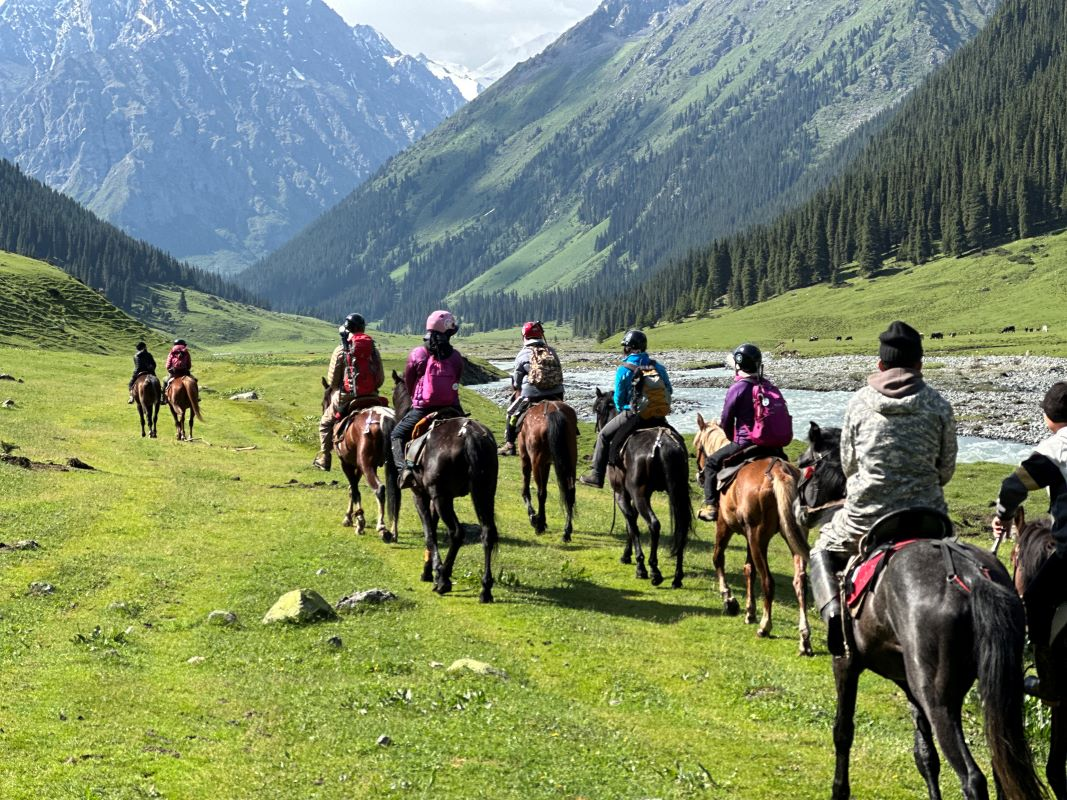
Trail riding is another popular form of horseback riding, especially for beginners and leisure riders. It involves riding horses through natural environments such as forests, mountains, beaches, and open fields. Trail riding allows riders to enjoy scenic landscapes while experiencing a peaceful and relaxing outdoor activity. It is often used for recreation and tourism in many parts of the world.
Horseback riding lessons are important for beginners who want to learn proper techniques and safety skills. Professional instructors teach riders how to mount and dismount safely, control the reins, maintain balance, and understand horse behavior. Learning in a controlled environment helps beginners build confidence before riding independently.
Safety is a major consideration in horseback riding. Riders are encouraged to wear helmets and proper riding gear to reduce the risk of injury. Horses must also be well-trained and properly cared for to ensure safe riding conditions. Understanding horse behavior is important, as horses can react to sudden noises, movements, or unfamiliar situations.
Horse care is an essential part of horseback riding. Riders and stable staff are responsible for feeding, grooming, and maintaining the health of horses. Regular grooming helps keep horses clean and comfortable, while veterinary care ensures they remain healthy and strong. Proper care strengthens the relationship between horse and rider.
Horseback riding also plays an important role in sports and competitions. Events such as dressage, show jumping, and horse racing attract participants and spectators worldwide. These competitions showcase the skill, training, and teamwork between horse and rider. Competitive riding requires discipline, practice, and strong communication.
In addition to recreation and sport, horseback riding is also used in therapy programs. Equine-assisted therapy helps individuals with physical, emotional, or developmental challenges. Interacting with horses can improve confidence, communication skills, and emotional well-being. It is widely used in rehabilitation programs and special education settings.
In conclusion, horseback riding is a rewarding activity that combines physical exercise, recreation, and emotional connection. Whether enjoyed as a hobby, sport, or therapeutic activity, it offers countless benefits for both beginners and experienced riders. Through proper training, safety, and care, horseback riding provides a meaningful way to connect with nature and animals.